With Bharat Tex 2026 approaching, international buyers have an opportunity to look beyond simply sourcing products at a lower cost. India is a place to source products with craftsmanship, heritage, and a story.
For international apparel buyers visiting India, sourcing can initially feel overwhelming. The country is vast, its textile industry is diverse, and the choices range from large-scale factories to small manufacturers, exporters, artisan clusters, and businesses specializing in traditional crafts.
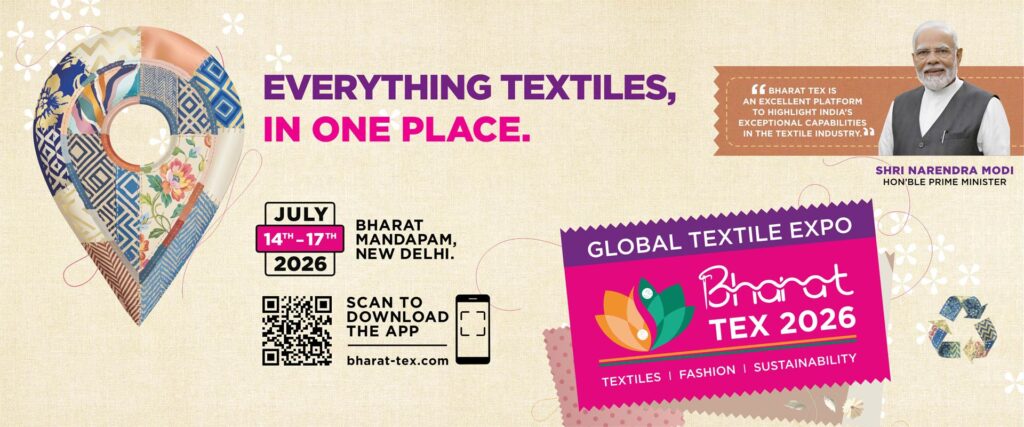
With Bharat Tex 2026 bringing the global textile industry together in New Delhi, international buyers have an opportunity to discover much more than suppliers and products. They have an opportunity to understand what makes sourcing from India different.
Look Beyond the Lowest Price
Price will naturally remain an important part of every sourcing decision. Buyers have margins to protect, markets to compete in, and consumers with different price expectations.
However, the cheapest quotation is not always the most economical decision in the long run. A difference in price can reflect a difference in fabric quality, construction, finishing, embroidery, embellishment, quality control, or production practices. Two garments may look similar in a photograph and still be significantly different when examined closely.
How does the fabric feel? How neatly are the seams finished? How consistent is the embroidery? How securely are embellishments attached? How does the garment perform after washing?
These details eventually affect not only the price of the garment, but also the experience of the final consumer. For this reason, buyers should compare quality with price rather than price alone.
Behind Every Price Is a Supply Chain of People
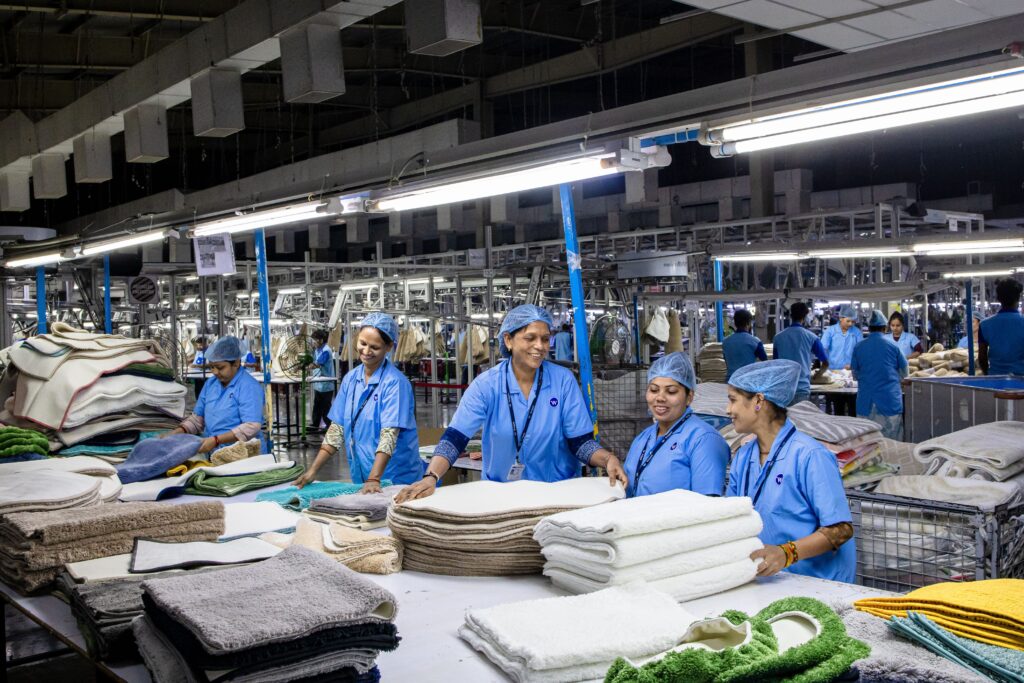
There is another reality of apparel sourcing that is rarely discussed enough. Behind every garment are people. Tailors, embroiderers, artisans, finishers, pattern makers, production workers.
When sourcing decisions are driven exclusively by obtaining the lowest possible price, the pressure eventually travels down the supply chain. And very often, the people at the lowest levels of that chain have the least ability to absorb it.
Responsible sourcing does not mean buyers should ignore commercial realities or accept unreasonable prices. It means understanding that a sustainable sourcing relationship should create value throughout the supply chain for the buyer, the supplier, and the people whose skills ultimately create the product.
Source a Product With a Story
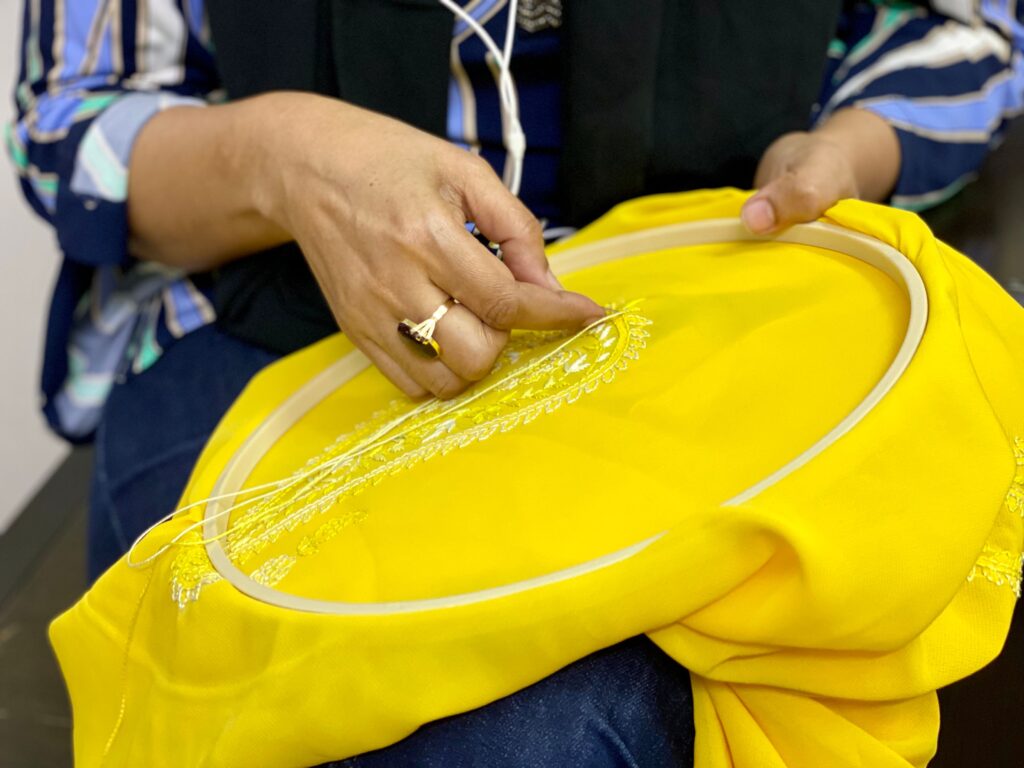
One of India’s greatest strengths as a sourcing destination is its diversity. A buyer can find modern manufacturing capabilities while also discovering textile traditions and craftsmanship developed across generations. Different regions of India are known for different fabrics, embroideries, weaving techniques, printing traditions, and surface ornamentation.
For international brands, this creates an interesting opportunity: you are not simply sourcing another garment. You can source a product whose craftsmanship, origin, technique, and people give you a genuine story to share with your customers. In increasingly competitive markets, a meaningful product story can become part of the product’s value.
The important distinction, however, is authenticity. A story should come from the actual product and the people involved in creating it not be manufactured later as a marketing strategy.
Start Small When Working With a New Supplier
Finding an interesting supplier at an exhibition is only the beginning. A good catalogue, an impressive booth, or a productive conversation cannot tell you everything about how a company will perform once production begins.
When working with a supplier for the first time, starting with a smaller order can reduce risk for both parties. A trial order allows a buyer to evaluate product quality and consistency, communication, sampling and development capabilities, adherence to specifications, production timelines, packaging, and problem solving ability.
Once trust and working compatibility have been established, order quantities can grow. For smaller and emerging brands in particular, suppliers willing to work with reasonable initial MOQs can provide the flexibility needed to test products before committing to larger quantities.
Ask What the Supplier Is Actually Good At
India’s textile and apparel industry is enormous. That does not mean every supplier is equally good at producing every type of product. One supplier may specialize in high-volume basic garments, another may be stronger in small-batch production. Some businesses specialize in specific fabrics, while others have expertise in hand embroidery, embellishment, traditional crafts, or complex product development.
Instead of only asking “What products can you manufacture?” consider asking “What type of product are you best at manufacturing?” The answer can tell you far more about whether the supplier is genuinely suitable for your business.

Evaluate the System Behind the Sample
India’s textile and apparel industry is enormous, and not every supplier is equally good at every type of product. One may specialize in high-volume basics, another in small-batch work, specific fabrics, hand embroidery, or complex product development. Instead of only asking “What products can you manufacture?” consider asking “What type of product are you best at manufacturing?” The answer tells you far more about fit.
A beautiful sample is important, but it only tells you what a supplier can do once. The real test is whether they can maintain that same quality across a full production run and for a first-time buyer, the most practical way to find out is not a factory audit before ordering, but a small trial order itself.
At the booth, it still helps to ask the right questions: What is their realistic monthly capacity? Can they work from a technical spec sheet, or develop from a reference design? How are changes and approvals documented, and what happens when a production problem occurs? Their answers won’t confirm anything on their own, but they will tell you how clearly a supplier thinks about their own process and that’s often the best signal you’ll get before placing an order.
If a factory visit ever makes sense, it usually comes later once a PO is placed and the first batch is in production, not before. The strongest supplier is not necessarily the one who promises to do everything. Often, it is the one who communicates clearly about what they can do, what they cannot, and how they intend to meet your requirements and this is also where price comparisons should account for what’s actually behind the number, not just the figure itself.
Communication Matters More Than Many Buyers Expect
A successful sourcing relationship does not end when the purchase order is placed. In many cases, that is where the real work begins. Product development often requires questions, changes, approvals, clarifications, and problem-solving, and clear communication between buyers and suppliers can prevent expensive mistakes.
When meeting potential suppliers, pay attention to whether they ask questions about your requirements. A supplier who wants to understand your target market, quality expectations, quantities, and price positioning may ultimately be more valuable than one who simply agrees to everything immediately.
Use Bharat Tex to Build Relationships, Not Just Collect Business Cards
It is easy to leave a large trade event with dozens or hundreds of catalogues, brochures, and business cards. The more important question is: how many meaningful sourcing conversations did you have?
Before leaving a supplier’s booth, make notes. What interested you? Which products did you discuss? Did you request samples? Was there a particular capability relevant to your business? What is the next step?
After the event, follow up with the suppliers who genuinely match your sourcing requirements. A smaller number of well-evaluated potential partners is often more valuable than a large collection of contacts with no clear next action.
A Quick Checklist Before You Walk the Floor
A few questions worth carrying into every supplier conversation at Bharat Tex 2026:
- What is this supplier genuinely best at, not just what can they make?
- What exactly am I getting for this price, compared to the next quotation?
- Can they walk me through their quality control process, not just show me a sample?
- What is a realistic trial order size to test this relationship first?
- Are they asking me questions about my market, or just agreeing to everything?
- What’s the actual story behind this product and can they show me, not just tell me?
- What’s my next step with this supplier, and when will I follow up?
Final Thoughts
For international buyers visiting India, Bharat Tex 2026 is an opportunity to experience the scale and diversity of the Indian textile and apparel industry. But the most successful sourcing decisions are unlikely to come from searching for the cheapest product or collecting the largest number of supplier contacts.
Look for quality that matches the price. Understand the capabilities behind the product. Start with manageable quantities when developing new supplier relationships. Ask questions. Pay attention to communication. And look beyond the garment itself.
Because one of India’s greatest strengths is not simply its ability to manufacture products. It is its ability to create products with craftsmanship, human skill, heritage, and stories that can travel from the hands of the people who make them to consumers around the world.
Leave a Reply